Field Sobriety Tests in Gwinnett County: What You Need to Know
Author: Philip Kim, Founder, Philip Kim Law, P.C.
Defense lawyer Philip Kim has committed his career to standing up for the accused, and protecting the rights and reputations of his valued clients. If you face criminal charges in Georgia, we can provide you with the skilled, effective defense representation you need.

What Is a Field Sobriety Test
Field sobriety tests are crucial tools used by law enforcement to evaluate drivers suspected of impairment. These tests measure physical and cognitive abilities, determining whether someone is under the influence of alcohol or drugs. Key elements include balance, coordination, and the ability to follow instructions. Officers typically conduct these tests on the roadside during traffic stops.
The National Highway Traffic Safety Administration (NHTSA) has established standardized field sobriety tests. These include the Horizontal Gaze Nystagmus, Walk and Turn, and One-Leg Stand. Each test evaluates different aspects of mental and physical functions. The goal is to identify impairment through observable behaviors and movements.
Law enforcement follows specific procedures when administering these tests. Officers are trained to look for indicators of impairment, such as swaying, lack of smooth pursuit in eye movements, or inability to maintain balance. These observations can influence their decision to arrest a driver on suspicion of DUI.
In Gwinnett County, these tests are a common part of DUI enforcement, so being aware of your rights during these tests is crucial. At Philip Kim Law, P.C., we help clients in Gwinnett County fight DUI charges by building strong legal defenses, including challenging field sobriety test results. We carefully examine how these tests were conducted and whether law enforcement followed proper procedures, identifying weaknesses that could work in your favor. If you’re facing DUI charges, don’t leave your future to chance—contact Philip Kim Law, P.C. today for a consultation.

Common Types of Field Sobriety Tests
Field sobriety tests are commonly used by law enforcement to assess a driver’s level of impairment. These tests can be categorized into standardized and non-standardized types, with the most well-known standardized tests being the horizontal gaze nystagmus, the walk-and-turn, and the one-leg stand test.
Horizontal Gaze Nystagmus (HGN) involves tracking a stimulus with the eyes. An officer looks for involuntary jerking of the eyes, which can indicate impairment. This test is widely used due to its high degree of reliability when performed correctly. More details on these tests can be found in the NHTSA manual.
The walk-and-turn test requires the person to take nine steps, heel-to-toe, along a straight line, turn, and return in the same manner. This test assesses balance and the ability to follow instructions, which are critical indicators of sobriety. The divided attention test is a key component, as it tests mental and physical coordination.
Lastly, the one-leg stand test involves standing on one leg while counting aloud. This evaluates balance and concentration abilities. These tests help determine if further investigation, such as a breathalyzer or blood test, is necessary. Each test has specific cues that officers are trained to observe, and passing these does not guarantee sobriety; rather, they are one part of the evaluation process.

Factors That Impact Field Sobriety Test Accuracy
Field sobriety tests are an integral part of a traffic stop when there is suspicion of intoxication. These tests are designed to assess blood alcohol content indirectly by identifying signs of intoxication, but various factors can affect their accuracy.
- Environmental Factors: Weather and road conditions play a critical role in test outcomes. Slippery or uneven surfaces can make it difficult for individuals to perform tasks such as walking a straight line. Poor lighting can also impact the visibility of an officer’s observations.
- Physical and Medical Conditions: Individual physical health can skew test results. Disabilities, age-related mobility issues, and even fatigue may mimic signs of intoxication. Certain medical conditions, such as inner ear infections, can also affect balance and coordination.
- Officer Error or Bias: The subjectivity in administering and evaluating these tests can lead to false assessments. An officer’s expectations, training, and potential biases can influence their perception and record of a suspect’s performance.
Legal Challenges to Field Sobriety Tests
Field sobriety tests in Gwinnett County often face scrutiny for their reliability. These assessments, originally developed by the National Highway Traffic Safety Administration, are designed to determine impairment through physical tasks. However, many professionals question their scientific validity, raising concerns about their accuracy. For more details, consider examining this detailed discussion on the topic.
Improper administration of these tests is another crucial legal challenge. Officers may make errors during the test performance that can affect outcomes. A tilted surface, poor weather conditions, or even innocent physical limitations can lead to inaccurate results. Therefore, it’s important to have experienced legal representation to identify and challenge such procedural errors in court effectively.
Constitutional issues also arise concerning potential violations of Fourth Amendment rights during DUI stops. Without proper justification or cause, these tests could infringe on individual rights. Our team at Philip Kim Law, P.C. diligently examines the lawfulness of DUI stops and ensures that the rights of our clients are safeguarded throughout the legal process.
Contesting field sobriety tests requires a nuanced understanding of the legal landscape. At Philip Kim Law, LLC, we take a comprehensive approach to defending our clients. We aim to highlight inaccuracies and procedural lapses, ensuring our clients receive a fair evaluation in court.
The DUI Process in Gwinnett County
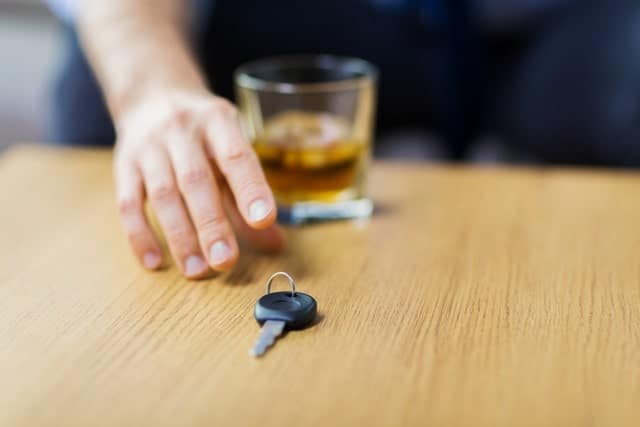
The DUI process typically begins with a traffic stop. Officers find probable cause by observing erratic driving or other traffic violations. Once stopped, drivers may be asked to perform field sobriety tests. These tests are subjective and can be challenged in court.
After a failed sobriety test, a driver might be taken into custody for drunk driving. The officer will then transport them to the station where a chemical test, like a breathalyzer, is usually administered. Refusal to comply can lead to immediate license suspension. This part of the process is critical in gathering evidence for DUI charges.
First-time offenders in Gwinnett may have access to programs offering more lenient outcomes, like a Pretrial Diversion Program. Successful completion of such programs often results in dismissed charges, providing a path to clear one’s record.
Probable cause is crucial early in the legal process. If it can be effectively challenged, it might alter the course of the entire case. Partnering with legal professionals ensures one’s rights are thoroughly examined and protected. We focus on dissecting every element of the arrest and field sobriety tests. This comprehensive approach helps in providing strong defense strategies for those accused of overstepping Georgia DUI laws.
How Philip Kim Law, P.C. Can Help
Facing a DUI charge can be daunting. At Philip Kim Law, P.C., we offer the experience needed to challenge field sobriety test results effectively. Our experienced team understands the intricacies of DUI defense and works diligently to protect your rights.
We provide personalized legal strategies tailored to each client’s unique circumstances. Our approach involves a thorough case evaluation to identify possible defenses and weaknesses in the prosecution’s evidence.
Located in Lawrenceville, Georgia, we have a deep understanding of Gwinnett County courts. Our familiarity with local procedures and personnel aids in crafting stronger defenses for our clients.
Key Services Offered:
- Comprehensive evaluation of your DUI stop and arrest
- Clear and honest communication throughout your case
- Strategic defense planning based on case specifics
To help you navigate this challenging time, we offer a free initial consultation. Discuss your case with our skilled DUI lawyers and discover your options. Talking to a defense attorney can be one of the most crucial steps you can take.

Request a Free Legal Consultation
Lawrenceville, GA 30046