Can You Fail a Georgia DUI Test Without Drinking?
Author: Philip Kim, Founder, Philip Kim Law, P.C.
Defense lawyer Philip Kim has committed his career to standing up for the accused, and protecting the rights and reputations of his valued clients. If you face criminal charges in Georgia, we can provide you with the skilled, effective defense representation you need.

What to Do If You Fail a DUI Test in Georgia Without Drinking
Failing a Driving Under the Influence (DUI) test in Georgia can feel confusing and unfair, especially when you have not consumed any alcohol. You may assume that these tests are reliable, yet sober drivers regularly face inaccurate results. Medical conditions, medications, testing mistakes, and environmental factors all play a role. When this happens, it is natural to feel overwhelmed and unsure of what to do next.
At Philip Kim Law, P.C., we understand how unsettling a DUI stop can be. You expect the process to be straightforward, and yet you may find yourself in a position where a test result does not match reality. Our firm proudly serves clients in Lawrenceville, Gwinnett County, North Metro Atlanta, and surrounding areas. We focus on honest guidance, tailored support, and responsive communication so you can understand your rights and your options. No one should navigate this situation alone, and you deserve clarity as early as possible.
This guide explains how DUI testing works in Georgia, why sober drivers sometimes fail the test, and what you can do to protect yourself. Along the way, you will learn practical steps, common testing issues, and strategies for challenging inaccurate results. With the right information, you can move forward with confidence and a clearer understanding of what happens next.
How DUI Testing Works in Georgia
Understanding why sober drivers sometimes fail DUI tests starts with knowing how officers assess impairment. In Georgia, DUI investigations typically involve a combination of field sobriety tests and chemical tests. Each tool has its purpose and limitations.
Field Sobriety Tests
Officers often begin with three standardized field sobriety tests designed by the National Highway Traffic Safety Administration (NHTSA). These tests include:
-
Horizontal gaze nystagmus (HGN)
-
Walk-and-turn
-
One-leg stand
These tests aim to measure balance, coordination, and eye movements. However, performance on these tests can be influenced by many factors unrelated to alcohol, including:
-
Uneven surfaces
-
Footwear
-
Anxiety or stress
-
Medical conditions
-
Natural eye movement patterns
A sober person may struggle with a test simply due to nerves or environmental conditions. However, this may lead an officer to believe impairment is present. Even when tests are standardized, results often depend on subjective interpretation.
Chemical Tests
Chemical tests are commonly used to determine impairment in DUI cases. These may involve:
-
A roadside breath test
-
An official breath test at a station
-
Blood testing
-
Urine testing
These tests seek to measure alcohol or drugs in the body. To maintain accuracy, strict protocols govern how samples are collected, handled, and tested. For instance, breath devices must be calibrated regularly, and blood samples must be stored properly to prevent contamination.
Even with safeguards in place, errors can still occur during the testing process, including:
-
Calibration issues
-
Residual mouth alcohol
-
Improper sample handling
-
Environmental interference
Understanding these limitations provides context for how sober individuals sometimes receive inaccurate results.

Georgia’s Implied Consent Law and Your Rights
Georgia’s Implied Consent Law, outlined in the Georgia Code § 40-5-67.1, states that anyone who drives on Georgia roads agrees to chemical testing. This applies if an officer has reasonable grounds to suspect impairment. Consequently, refusing a breath, blood, or urine test can lead to license suspension, even if you were not under the influence at the time.
Nonetheless, you still retain important rights, including:
-
The right to decline field sobriety tests in most situations without automatically losing your license.
-
The option to request an independent chemical test after completing the state-administered test.
-
The ability to challenge faulty results in court.
Independent testing is especially important when you know you are sober, as it provides a way to verify the official results and create evidence that supports your defense. An experienced Gwinnett County DUI Lawyer can guide you through the process and help you challenge inaccurate test results in court.
Why False Positives Happen
False positives occur for many reasons, and they affect more sober drivers than people realize. Understanding these causes can help you determine what went wrong in your case.
Medical Conditions
Certain medical conditions can mimic impairment or interfere with testing, including:
-
Inner ear issues
-
Neurological conditions
-
Diabetes
-
Gastroesophageal reflux (GERD)
-
Natural nystagmus, which can produce misleading HGN results
These conditions can impair balance, coordination, or eye movements without any alcohol consumption.
Medications
Both prescription and over-the-counter medications may affect test results. Some medications can cause:
-
Drowsiness
-
Poor coordination
-
Dilated or restricted pupils
-
Dry mouth, which may affect breath testing
In some cases, ingredients in cold medicines or cough syrups can register as alcohol on a breath test.
Testing Errors
Human error and equipment problems frequently contribute to false positives. Common issues include:
-
Improper device calibration
-
Failure to follow testing procedures
-
Contaminated breath samples
-
Mishandled blood samples
-
Environmental interference, such as fumes or radio waves
Even small deviations from protocol may affect accuracy.
Natural Variations and Personal Factors
Many sober people struggle with balance or coordination, whether due to age, injuries, footwear, or simple nervousness. Anxiety alone can affect performance on field sobriety tests. These variations often lead to incorrect conclusions.
When building a defense, identifying these influences helps explain why a failure occurred even though no alcohol was involved.

Common Mistakes Officers Make During DUI Testing
Officer mistakes during DUI stops happen more often than you may expect. When officers deviate from required procedures, results may not be reliable. These mistakes can impact the accuracy of DUI testing and lead to inconsistent or flawed results.
Improper Instructions
Field sobriety tests must follow standardized guidelines. When officers give incomplete instructions or demonstrate the test incorrectly, performance suffers. This can lead a sober driver to appear impaired.
Subjective Interpretation
Field sobriety tests rely heavily on observation. Conditions that influence an officer’s perceptions include:
-
Weather
-
Lighting
-
Traffic noise
-
Uneven surfaces
-
Driver anxiety
A subjective assessment can distort results, especially when environmental factors work against the driver.
Equipment Problems
Breath testing devices require routine maintenance. Issues such as temperature fluctuations, software problems, or faulty calibration may cause inaccurate readings.
Incomplete Documentation
Documentation errors may occur at several stages, including:
-
Missing details about the stop
-
Failure to record medical symptoms
-
Inadequate explanation for requesting tests
-
Gaps in the chain-of-custody procedures for blood samples
Incomplete records can cast doubt on the reliability of the entire process.
How to Challenge an Incorrect DUI Test Result
A thorough review of your traffic stop forms the foundation of a strong defense. By carefully examining the details, our Gwinnett County Traffic Lawyer can identify several strategies that may be used to challenge inaccurate DUI test results, including:
-
Independent testing: You maintain the right to request an independent test after taking the state’s test. An independent result may support your claim that the initial test was incorrect.
-
Procedural challenges: Any deviation from proper testing procedures may undermine the prosecution’s case. Errors in field sobriety test administration, breath test device operation, blood sample handling, or implied consent warnings can all challenge the validity of DUI test results.
-
Expert testimony: Medical or forensic professionals can explain how factors such as health conditions or equipment issues may contribute to inaccurate readings. Their testimony can help clarify why test results may not reflect impairment.
-
Evidence suppression: If your rights were violated or the testing process failed, we can seek to have certain evidence excluded. This step can significantly change how a case proceeds.
What to Do After Failing a DUI Test Without Drinking
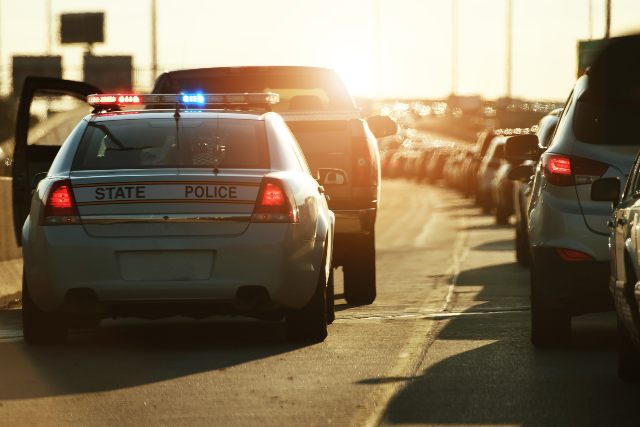
A Georgia DUI arrest triggers either an administrative license suspension or a criminal case. If you failed a test despite being sober, taking prompt action can help protect your rights.
Consider the following steps:
-
Remain calm and cooperative: Tension may make the situation more difficult.
-
Understand your testing rights: Field sobriety tests are generally optional, but refusing chemical tests can affect your license.
-
Request an independent test: After the state test is completed, you may request an independent test.
-
Avoid unnecessary statements: You are not required to explain your medical history at the roadside.
-
Contact a defense attorney promptly: If you fail a DUI test without drinking, reach out to us as soon as possible.
Gathering key information early strengthens your defense. Collect details such as:
-
Medications and supplements taken
-
Medical conditions that affect balance or coordination
-
Testing location, footwear, and weather
-
Witness contact information
This documentation helps identify why a false positive may have occurred. If you’re facing DUI charges, a Gwinnett County Criminal Defense Lawyer can help you navigate the complexities of your case and build a strong defense to protect your rights.
How a Tailored Defense Is Built
Every DUI case is unique. A defense strategy should reflect your circumstances, not a standard template. When evaluating a case involving potential false positives, we typically examine:
-
Whether the stop was lawful
-
How instructions were given for field sobriety tests
-
The conditions of testing
-
Breath device maintenance logs and operator certification
-
Proper handling of blood samples
-
Your medical history and medications
At Philip Kim Law, P.C., our goal is to build a defense that reflects your situation while providing clear and candid communication at every step.
Take Control of Your DUI Case with Philip Kim Law, P.C.
A false positive on a DUI test can create fear and frustration, yet it does not define your future. If you are wondering if you can fail a Georgia DUI test without drinking, the answer is yes—and you are not alone in your next steps.
At Philip Kim Law, P.C., we guide you through the process with honesty, tailored support, and responsive communication. Our team reviews the evidence, investigates testing issues, and helps you understand how to move forward. You deserve clarity and a defense built with your circumstances in mind.
When you are ready to take the next step, reach out to us for a free consultation. We are here to help you understand your situation and move toward a more confident future. Your case is unique, and guidance should reflect your specific facts and goals.
Frequently Asked Questions
1. Can you fail a DUI test in Georgia without drinking?
Yes, sober drivers can fail a DUI test due to factors like medical conditions, medications, testing errors, or environmental influences.
2. What are the common reasons for false positives on DUI tests?
False positives can result from medical conditions, medications, improper test procedures, or equipment errors.
3. What should I do if I fail a DUI test in Georgia but haven’t been drinking?
Stay calm, request an independent test, and contact a DUI defense attorney to help challenge the test results.
4. Can I refuse a field sobriety test in Georgia?
Yes, field sobriety tests are generally optional, but refusing chemical tests may result in a license suspension.
5. How can I challenge inaccurate DUI test results?
You can challenge results by requesting an independent test, pointing out procedural errors, and using expert testimony to highlight inaccuracies.

Request a Free Legal Consultation
Lawrenceville, GA 30046